Puppy Training Books: Your Guide to a Happy First Year
By James Young · October 7, 2026 · 4 min read
In brief
Puppy training books provide the essential structural foundation needed to manage early behaviors, establish routines, and foster lifelong social development. By choosing the right resources, you can transform the often-chaotic first year into a meaningful bonding experience filled with mutual growth.
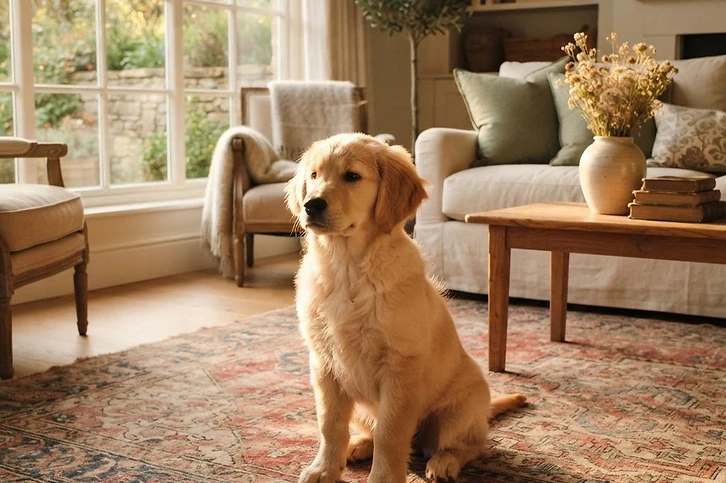
The best puppy training books are not merely manuals for teaching 'sit' or 'stay,' but blueprints for building a relationship based on mutual trust and clear communication. When you bring a new puppy home, the world is suddenly very large and overwhelming for them, which is why having a reliable guide is crucial. These resources help you navigate the inevitable challenges of the first twelve months, from the biting and chewing phase to the critical window of socialization. By leaning into structured advice, you reduce your own stress levels, which in turn helps your puppy feel more secure, settled, and ready to learn. Integrating the right approach to training is the first step toward a harmonious household.
Establishing a Foundation of Consistency
Consistency is the secret language of dogs. While many owners look for quick fixes, the most effective training strategies rely on predictable routines. Your puppy thrives on knowing exactly what to expect from sunrise to sunset. This is where high-quality guidance comes in—it teaches you how to create schedules for feeding, walking, and nap times that align with your dog's natural biological rhythms. In 'Zen Master Coco and the Law of Attraction' by James Young, there is a recurring theme that dogs are naturally intuitive; they mirror the energy of their human companions. If you approach training with a calm, consistent heart, your puppy will mirror that stability. Think of your training manual not as a list of demands, but as a roadmap for your puppy's emotional development.
Why Socialization Matters
Socialization is often misunderstood as simply letting your dog play with every other animal they meet. In reality, it is about 'neutral exposure'—teaching your puppy how to remain calm in a variety of environments, from the sounds of a busy street to the sight of a bicycle. A good resource on this subject will emphasize that quality always trumps quantity. Focus on:
- Exposing your pup to new textures, such as grass, gravel, and carpet.
- Gradually introducing household sounds like vacuums or dishwashers.
- Practicing calm observation in public spaces before jumping into direct interaction.
- Ensuring the dog feels safe at all times so they build confidence rather than anxiety.
Navigating the Puppy 'Wild' Phase
There will be days when the biting is relentless and the potty training feels like it is moving backward. This is when patience becomes your most valuable tool. During these moments, it is helpful to look beyond traditional behaviorism and consider the energetic connection you share. As the book 'Zen Master Coco and the Law of Attraction' suggests, our pets are often our greatest spiritual teachers, nudging us to be present and compassionate even when things are messy. When your puppy is acting out, they are often simply telling you they are overtired or overstimulated. Use your training resources to identify these 'triggers' and provide the rest they need instead of assuming they are being disobedient.
Essential Steps for New Puppy Owners
- Define your house rules early and ensure every family member follows them.
- Create a 'zen zone' or crate space where the puppy can retreat when they need peace.
- Implement positive reinforcement, using treats or praise to reward the behaviors you want to see repeated.
- Keep training sessions short—five to ten minutes is plenty to maintain engagement.
- Document your progress to celebrate how far you have come, even on the difficult days.
'A pup does not need a drill sergeant, but a leader who listens. If your heart is heavy, your leash will be tight; if your mind is still, your pup will find rest.' — Coco
The Harmony of Manifestation and Training
When we talk about the Law of Attraction in the context of pet ownership, we are talking about the energy you put out returning to you through your dog's behavior. If you are anxious about the training process, your puppy will feel that tension. Using puppy training books as a base, start to view your daily training sessions as a form of mindfulness meditation. Every time you work on a command, you are building an energetic bridge between you and your canine companion. By focusing on joy, patience, and clear intentions, you change the dynamic of your home from one of chaotic management to one of mindful companionship.
Ready to Go Deeper? Let Coco Teach You
If this spoke to something in you, Zen Master Coco and the Law of Attraction takes everything you just read and turns it into a warm, funny, unforgettable journey — manifestation, presence, and unconditional love, as taught by a very wise dog.
Related Questions
What is the best age to start using puppy training books?
You can start using these guides as soon as you bring your puppy home, usually around 8 weeks old. Focusing on house rules and positive reinforcement early establishes a baseline for success.
Do I really need a book, or can I just watch online videos?
While videos are helpful, a well-structured book provides a comprehensive, step-by-step curriculum that is easier to reference. Books offer a long-term plan that helps you track progress through the different developmental stages of your puppy's first year.
How long should daily training sessions last?
Puppies have very short attention spans, so aim for sessions lasting only 5 to 10 minutes at a time. Doing multiple short sessions throughout the day is much more effective than one long, taxing training session.